

Fiber Protection Sleeves & Fusion Splice Protectors
Dual-walled Fiber Protection Sleeves (40mm/60mm) with steel rod. Moisture-proof protection for every splice. Sample kits available.
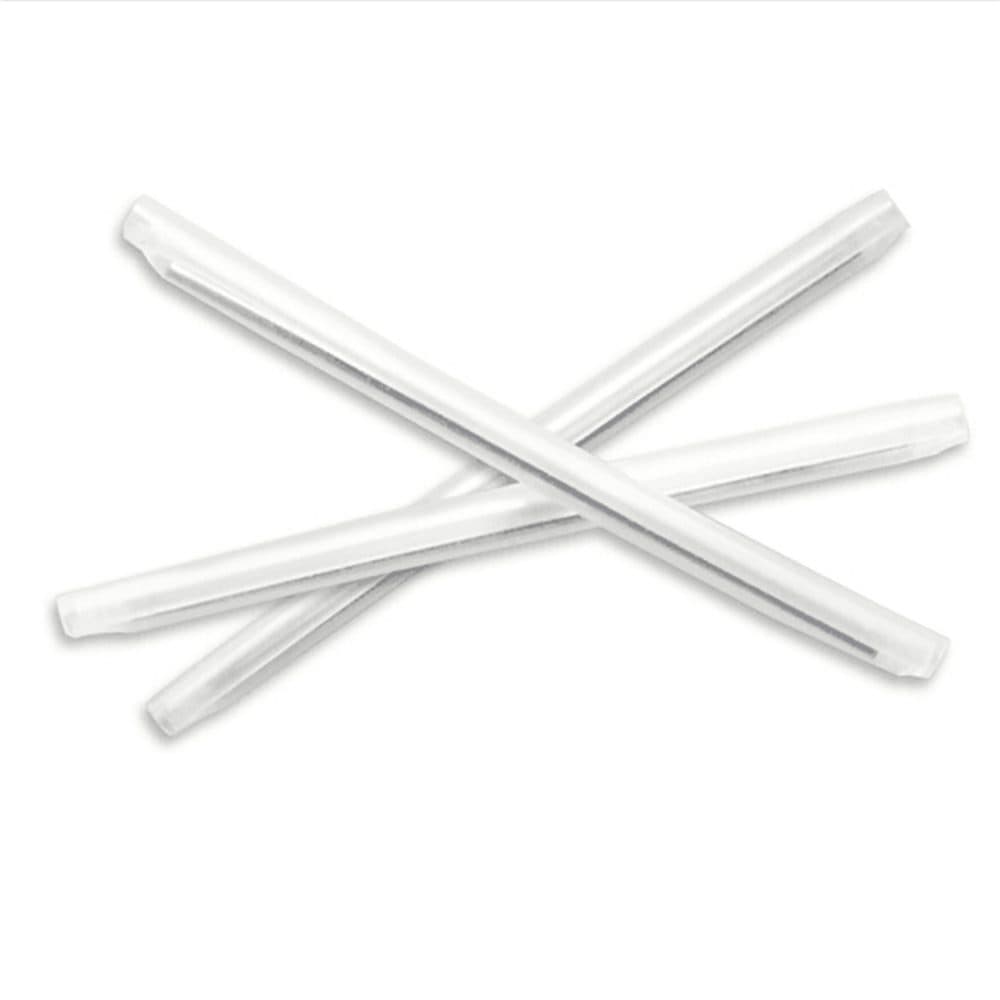
40mm fiber optic splice protection sleeve
The 40mm fiber optic splice protection sleeve is tight and the metal support helps to keep it from breaking.
View Details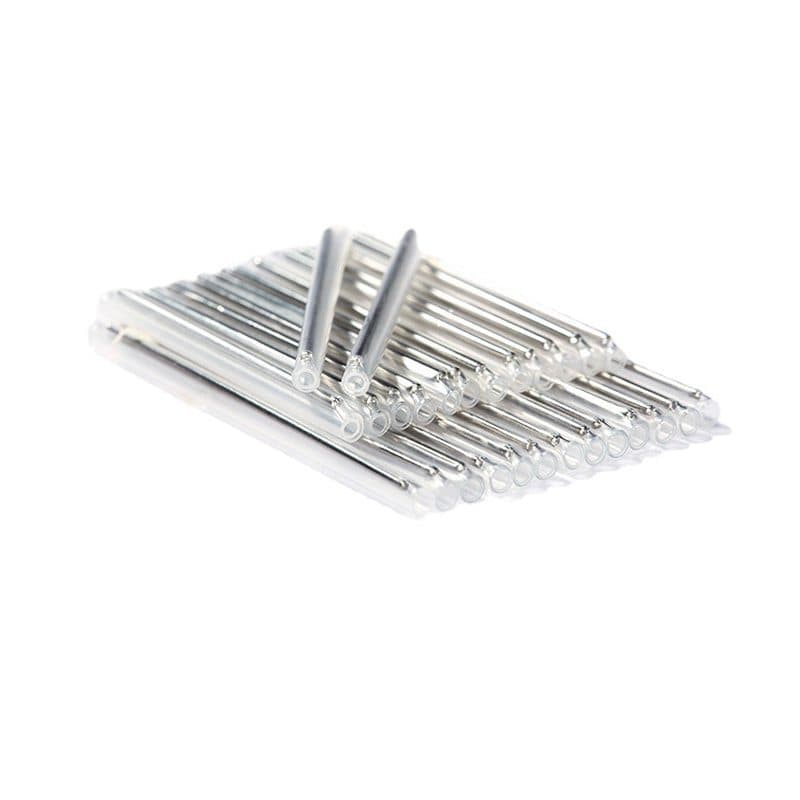
45mm fiber protection sleeve
This 45mm fiber protection sleeve is created specifically for fiber optic cables, providing durability and safety to the Splices.
View Details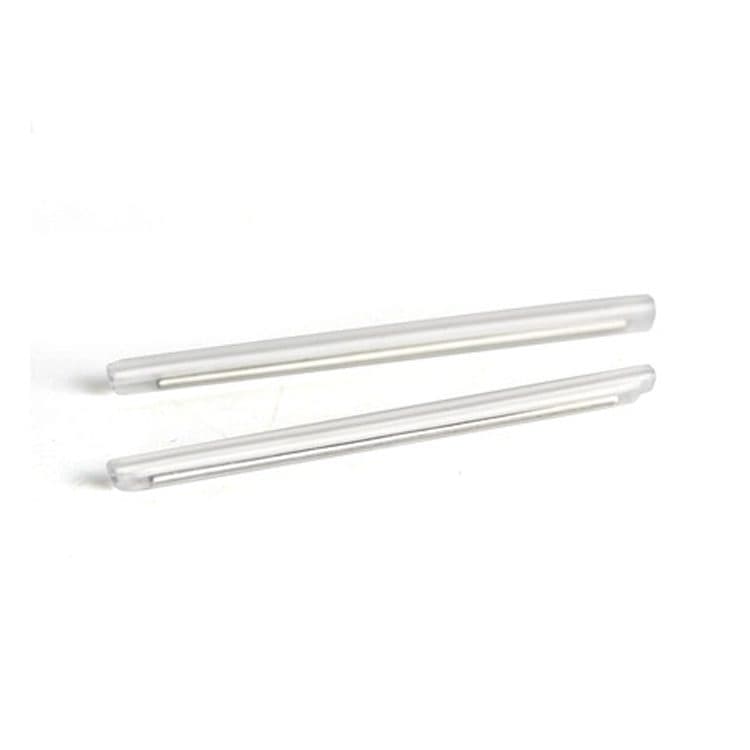
60mm fiber splice sleeve
This 60mm fiber splice sleeve is the most reliable and highest quality optic cable jacket splice protection sleeve on splice trays.
View Details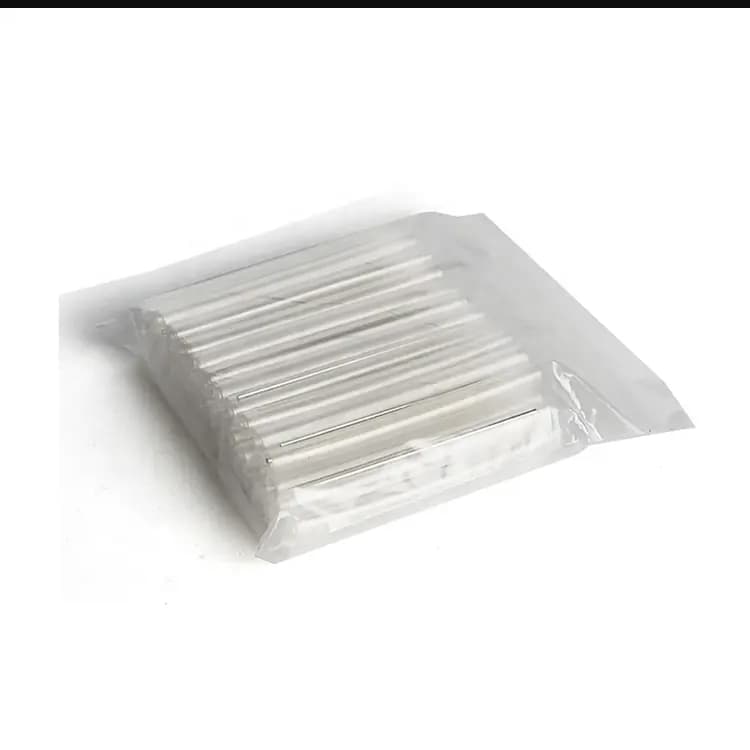
Smouv Fusion Splice Protector
Smouv fusion splice protector is the most reliable and highest quality optic cable jacket splice protection sleeve on splice trays, and is offered at an economical price.
View Details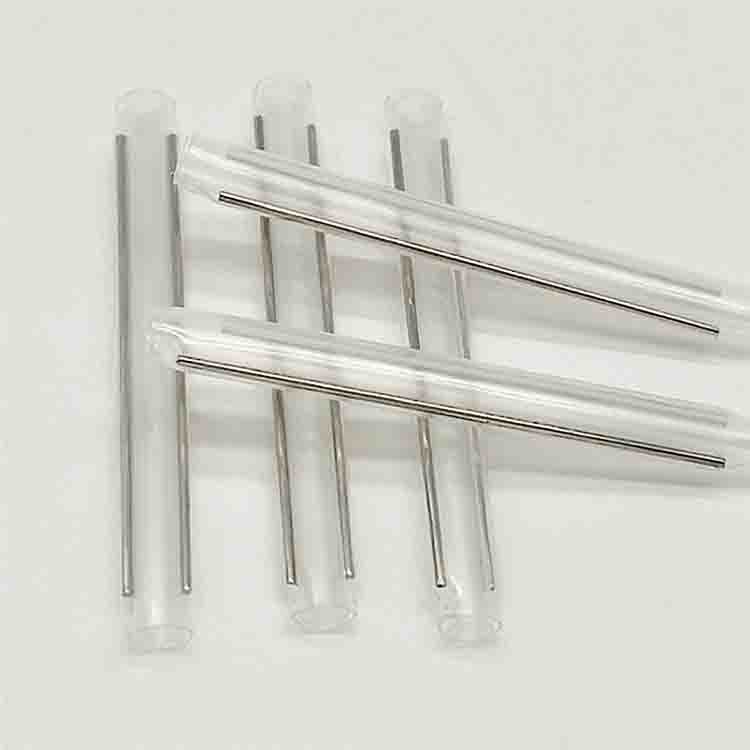
Two Needle drop cable fiber protection sleeve
Two Needle drop cable fiber protection sleeve is designed to fit smaller width trays while still accommodating both 250_m and 900M fibers
View DetailsIndustry Reality Check
The 'Bubble' Risk Factor
"Our 2022 lab audit showed that sleeves with 'center-trapped' air bubbles have a 4.28x higher rate of signal failure during thermal cycling (-40°C to +85°C). We recommend a 60.5-second cool-down period before placing the sleeve in the tray to stabilize the EVA bond (Source: 2022 Reliability Lab Report, Tracking: QA-SLEEVE-2022-RL)."
Technical Specifications
Explore the comprehensive technical specifications for our Fiber Protection Sleeves & Fusion Splice Protectors. As a leading manufacturer of fiber optic components, Telhua ensures that every Fiber Protection Sleeves & Fusion Splice Protectors meets rigorous telecommunications standards(including ISO 9001:2015, RoHS, SGS, Bellcore GR-1380). Designed for high-density FTTx, data center, and 5G networks, our Fiber Protection Sleeves & Fusion Splice Protectors solutions offer superior durability and signal integrity. Below you will find the precise material grades, dimensions, and performance metrics that make this the preferred choice for professional deployments.
| Specification | Value |
|---|---|
| Reinforcing Rod | 304 Stainless Steel (Grade A) |
| Recovery Temp | Starts at 90.5°C / Full at 112.2°C |
| Inner Liner | Ethylene Vinyl Acetate (EVA) |
Engineering Insights
Telhua's fusion splice protection sleeves are the invisible guardians of your optical joints. By combining precision-ground 304 stainless steel rods with high-performance dual-wall shrink tubing, we ensure that your most delicate network points are protected for life.
Technical Resource Hub
View All InsightsNeed Technical Documentation?
Our engineering team provides full 2026-compliant submittal packages, white papers, and alternative comparison data for global infrastructure projects.
Performance Comparison
| Parameter | Telhua Standard | Industry Average |
|---|---|---|
| Reinforcing Rod | 304 Stainless | Carbon Steel (Rusts) |
| Inner Liner | EVA (Dual Wall) | Single PE Layer |
| Shrink Temp | 90°C (Safe) | 110°C+ (Risk) |
| Air Bubbles | Gradient Shrink | Trapped Air |
* Comparison data based on internal testing vs. standard market specifications.
Engineering & Deployment FAQs
Why is 40mm replacing 60mm as the 'standard' splice sleeve?
Port density is the driver; 40mm sleeves allow for 2x the capacity in the same splice tray.
What is the risk of 'fast-heating' a splice sleeve?
Trapped air bubbles, which can cause micro-bends and signal loss over time.
Does the rod material affect the splice?
Yes, 304 Stainless Steel is mandatory for long-term reliability.
Installation Protocol
Splice Sleeve Application
Slide the sleeve onto one of the fibers *before* stripping/cleaving.
Perform the fusion splice.
Slide the sleeve over the splice point, centering the splice in the sleeve.
Place the assembly into the heater of the fusion splicer.
Allow the sleeve to cool for at least 30 seconds before placing in the tray.
Lessons from Our Mistakes
The 2022 Brazil FTTx Humidity Failure
Coastal deployments in Recife showed widespread splice degradation after 24.2 months.
Low-grade 'budget' sleeves used a single-layer PE instead of a dual-layer EVA/Polyolefin design, allowing moisture to reach the fiber.
Standardized all production on the 'Dual-Wall' EVA-lined design with a minimum 0.52mm wall thickness.
Zero moisture-related failures in 2.54 million units shipped to the region since the change (Tracking: BR-REC-SLEEVE-2022).
Core Lesson:The inner liner is not an 'option'—it is the primary defense against the environment.
The 'Rusting Rod' Incident (2020 Coastal China)
Sleeves in a coastal ODF rusted after 18 months, causing the steel rod to expand and crush the fiber.
The supplier used cheaper carbon steel rods instead of 304 Stainless Steel to save cost.
Implemented mandatory magnetic testing for all incoming rod batches (Stainless is non-magnetic).
Zero corrosion failures in the subsequent 5 years of deployment (Tracking: CN-COAST-SLEEVE-2020).
Core Lesson:Material verification is critical for coastal deployments; if a magnet sticks, reject it.
When NOT to Choose This Product
Mechanical splicing scenarios
Sleeves require heat to shrink; they are useless for cold-splice or mechanical connector systems.
Recommendation
Use our mechanical splice kits or fast connectors for heat-free environments.
Need a Custom Fiber Protection Sleeves & Fusion Splice Protectors Solution?
Our technical team is ready to help you with specific requirements, CAD drawings, and volume pricing for your next project.
Get a Fast Quote